Patient partnership shaping the future of Fragile X research
Researchers bring methodological expertise, while families bring lived insight into care, functioning, and daily life. Together, the Fragile X community is guiding future research and care priorities in Canada through the National Priority Setting Partnership Initiative.
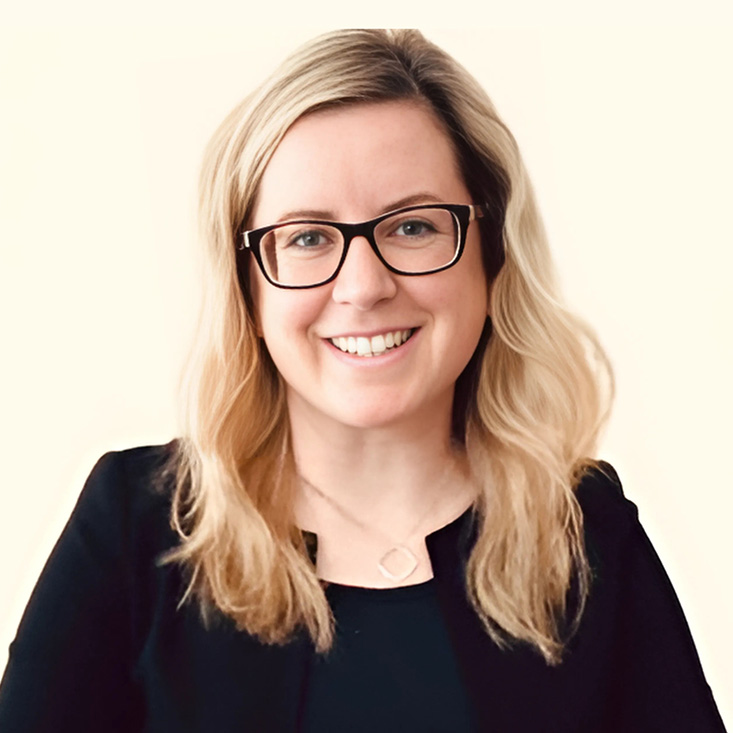
Karen Kelm, M.Sc, Lead, Holland Bloorview Children’s Hospital; President & CEO of Fragile X Canada, and a patient-oriented researcher with lived experience as a parent of three children with Fragile X syndrome
Rare diseases collectively affect millions of Canadians, and their impact extends well beyond individuals and families to educators, health care providers, employers, policymakers, and more. How research priorities are set determines which questions are answered and which remain unsolved. Research questions are often shaped unilaterally by academic researchers, which can create a disconnect between how research questions are framed and how families actually live their lives–where daily care focuses on strengths, adaptation, and possibility rather than deficits alone.
Karen Kelm, President & CEO of Fragile X Canada and a patient-oriented researcher with lived experience as a parent of three children with Fragile X syndrome, wanted to reinforce the importance of shaping research agendas collaboratively, with families, clinicians, and researchers working as equal partners. During conversations with partners at Holland Bloorview Children’s Hospital and clinician scientist Dr. Evdokia Anagnostou, Karen and the team recognized an opportunity to approach research differently. Together, they realized that advancing Fragile X research requires more than funding; it requires families, clinicians, and researchers working side by side, collaborating at every stage, from shaping the questions to setting priorities.
Although an estimated 136,000 Canadians are impacted by changes in the FMR1 gene-including Fragile X syndrome (the most common inherited cause of intellectual disability and a leading known genetic cause of autism), Fragile X-associated primary ovarian insufficiency (FXPOI), and Fragile X-associated tremor/ataxia syndrome (FXTAS)–many questions remain about how best to diagnose, support, and treat people living with Fragile X. With funding from the Canadian Institutes of Health Research Institute of Genetics and Strategy for Patient-Oriented Research (SPOR), Karen’s team is launching a National Priority Setting Partnership. This initiative will bring together individuals with Fragile X syndrome, families, caregivers, clinicians, community members, and researchers to identify the top 10 priorities in care and research.
This initiative offers an inspirational example for funding agencies and researchers. The team will establish a process designed to ensure that every voice is heard, and importantly with lived experience recognized as a form of expertise. “Families, clinicians, and researchers each bring essential knowledge, and meaningful progress happens when these perspectives are integrated early and intentionally. This project is about asking questions grounded in real life, shared priorities, and collective insight that can guide future research, care, and policy decisions.” Explains Karen.
Karen believes that learning and impact should extend beyond traditional academic outcomes. “Knowledge sharing is two-way: we create ongoing opportunities for dialogue, reflection, and feedback throughout the project.” she says. To reach families, clinicians, researchers, and partners across Canada, the team will use plain-language summaries, webinars, community presentations, and national research rounds to share progress and findings.
The goal of this project is to ensure that future Fragile X research and care focus on questions that truly matter in daily life, so research investments are relevant. Beyond Fragile X, it demonstrates a scalable model for making health research more inclusive, accountable, and responsive, ultimately strengthening how Canada approaches care, evidence generation, and system planning.
For Karen, the project represents more than a research initiative–it reflects a shift in how knowledge is created and shared. She is optimistic that patient partnerships will become increasingly embedded in research settings. “It is powerful to watch clinicians, researchers, and families come together, learn from one another, and recognize their shared goals. Creating spaces where curiosity, trust, and collaboration can grow is deeply meaningful and reinforces my commitment to building research and care environments that reflect partnership rather than hierarchy.” Karen says.
- Date modified: