Rare Disease Day 2026: Moving from Discovery to Impact
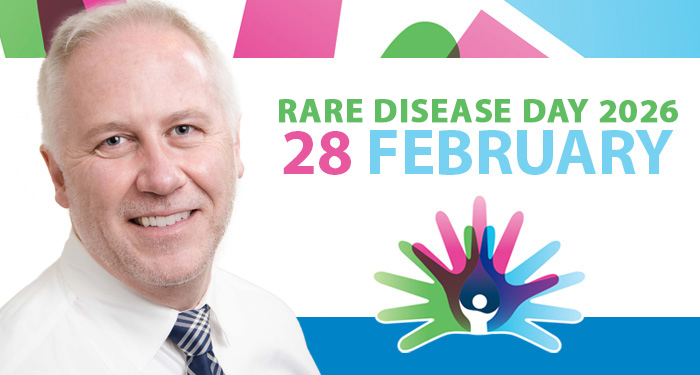
Rare Disease Day is an opportunity to recognize that rare diseases remain an under-addressed global health priority—and, more importantly, to highlight the importance of research and acknowledge the individuals and families whose lives are impacted by rare diseases. Despite remarkable advances in genetic testing that is accelerating the speed and accuracy by which most rare disease patients are being diagnosed, upon diagnosis, patients and caregivers must often act as their own health advocates. They need to balance the impact on their emotional wellbeing and financial stability while navigating uncertainty, repeated medical visits, and difficult decisions—all in addition to managing physical symptoms and their mental health.
A Better Future: Gene Therapy and Personalized Medicine
95% of rare diseases have no treatment, never mind a cure. In recent years, gene therapy has emerged as a powerful therapy for those with a rare disease. For some families, gene therapy has led to a life-changing moment, learning that a family member is eligible to receive gene therapy. While not a solution for every condition, and not without uncertainty, gene therapy can represent a significant shift—from years of limited options to the possibility of meaningful, long-term improvement. These advances have been made possible through publicly funded research from the Canadian Institutes of Health Research (CIHR) and other agencies, and the contributions of patients and caregivers to research studies and clinical trials.
Remaining Challenges on the Path to Access
Despite substantial progress, significant challenges remain. Gene therapies are expensive to develop, especially for ultra-rare conditions. Regulatory pathways to approve therapies are complex, and small numbers of patients can increase the difficulty of organizing clinical trials. Gene therapies for rare diseases are therefore often too costly to provide a return on investment for traditional pharmaceutical business models. Ensuring innovation in this area to enable sustainability and accessibility of gene therapies is a priority for Canada’s publicly funded health care system.
Our Commitment to Patients and Families
The CIHR Institute of Genetics (CIHR-IG) is committed to advancing rare disease research in ways that meaningfully improve the lives of patients and families. Through the Rare Disease Research Initiative, CIHR-IG supports efforts to accelerate diagnosis, and advance the development of gene therapies that will be accessible for Canadians living with rare disease.
The establishment of a national clinical trial rare disease network and funds to move gene therapies to first in human trial readiness reflects this commitment.
CIHR-IG is working to ensure this research is shaped through collaboration among researchers, patients, caregivers, health care providers, and policy makers. Importantly, working with patients as research partners from the outset means their lived expertise informs research from start to finish, helping ensure that studies remain relevant and focused on outcomes that matter most to families.
Ryan Deveau received gene therapy as part of a CIHR funded clinical trial for Fabry disease, a rare inherited condition where the body lacks an enzyme to break down specific fat molecules that can accumulate and affect multiple organs. Reflecting on his experience, Ryan speaks openly about the emotions surrounding the decision, including the initial fear and uncertainty that can accompany a cutting-edge treatment. “Gene therapy can feel scary and you need to be your own advocate, but patients should know they are laying the path forward. And it’s okay to say yes—or no—based on what’s right for your life.” Ryan reflects.
The work of researchers and decision-makers has a real impact on patients’ lives. “These treatments are changing people’s lives and giving patients the chance to feel better and live more fully.” Ryan says.
Rare Disease Day is a call to action about the urgent need to improve access to diagnosis and treatment for those living with rare diseases. Patients like Ryan remind us that research is fundamental to improving care.
- Date modified: