Bringing specialist shoulder care closer to home for rural Albertans
CIHR-funded research is helping deliver virtual, specialist-led shoulder care to rural communities, reducing unnecessary travel, pressure on emergency services, and ensuring appropriate care pathways.
For many rural Albertans living with shoulder pain or injury, accessing specialist care can mean hours of travel, difficult road conditions, missed work, and significant out-of-pocket costs—all for an appointment that may last less than an hour. These barriers often lead patients to delay treatment or seek care in emergency departments, contributing to longer wait times and unnecessary referrals for surgery.
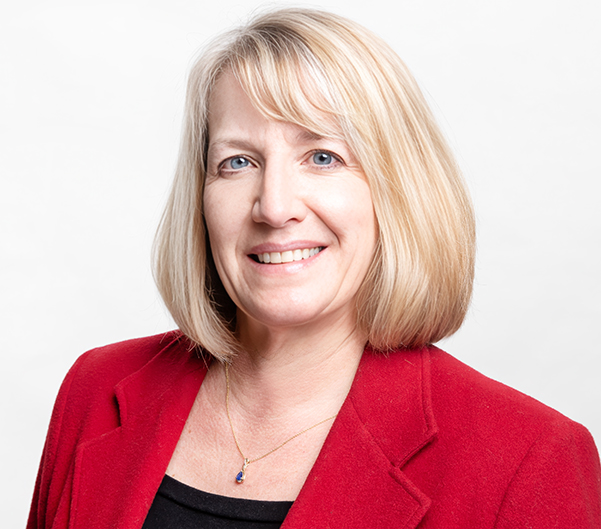
Dr. Lauren Beaupre, a physical therapist, epidemiologist, and professor at the University of Alberta, is working to change that trajectory by leading research that demonstrates how virtual models of care can improve access to specialized musculoskeletal care for rural communities.
As the Dr. David Magee Endowed Chair in Musculoskeletal Research, she developed Alberta’s Remote Management of ShoUlders Program (ARMS UP), a CIHR-funded initiative that connects rural patients and health care providers with urban shoulder specialists in real time. “We see with rural patients, they tend to seek care at later stages of disease because it’s inconvenient,” says Dr. Beaupre.
Through ARMS UP, rural patients attend specialist appointments at their local health care centre rather than travelling to a city. A rural clinician performs the physical assessment while consulting virtually with an urban shoulder specialist, allowing patients to receive expert evaluation and treatment recommendations closer to home.
The model is helping address a major inequity in the health care system. An estimated 75 to 80 percent of shoulder conditions can be managed without surgery through approaches such as physical therapy and rehabilitation, yet rural patients often face massive travel hurdles just to receive an initial assessment. To bridge this gap, ARMS UP integrates two urban specialized clinics in Edmonton and Lethbridge with five rural TeleRehab sites across the province, ultimately increasing opportunities for virtual specialist care for rural Albertans who make up more than 15 percent of Alberta’s population. By connecting patients with the right provider in their own community, the program ensures they find appropriate treatment pathways much earlier. This targeted care helps reduce unnecessary emergency department visits and eases the pressure on rural ambulatory services.
For patients, the benefits are immediate and tangible. One participant described avoiding a three- to five-hour drive to an urban centre for an appointment. The virtual model not only reduced travel time but also saved money on gas and other related costs. The patient also described the challenges of winter driving in rural Alberta, where snow, wind, and poor visibility can make highway travel hazardous. Receiving care closer to home meant avoiding stressful and potentially dangerous road conditions for an appointment they felt “works just as well virtually.”
Another patient shared their excitement at learning the appointment could take place in their local community instead of requiring a lengthy drive into the city. For them, avoiding traffic, parking challenges, and accessibility barriers for a spouse with limited mobility made a significant difference. They also appreciated the opportunity to interact with local clinicians in a familiar environment while still receiving the benefit of the urban specialist assessment. “It was just generally so much easier for us,” they said. “We were totally blown away because it was a totally positive experience.”
The program is also strengthening health care capacity within rural communities. By working directly with specialists during virtual consultations, rural providers gain additional experience and confidence managing shoulder conditions locally. “The experience has far surpassed expectations,” says Dr. Beaupre, noting that rural clinicians highly value the professional development and mentorship built right into the program.
Dr. Beaupre and her team are now exploring ways to make the model even more sustainable by supporting rural clinicians to conduct assessments independently, consulting specialists only when needed.
The success of ARMS UP is helping demonstrate how virtual care can improve access to specialized services in rural and remote communities—not only for shoulder conditions, but potentially for other musculoskeletal issues such as hip, knee, and back pain.
Ultimately, the research is helping build a health care system where access to care depends less on geography and more on patient need.
At a glance
Issue
Rural Albertans with shoulder injuries often face long travel distances and extended wait times to access specialist care. Many patients delay treatment or seek care in emergency departments, often leading to unnecessary surgical consultations for conditions that could be managed non-surgically.
Research
Dr. Lauren Beaupre developed the Alberta Remote Management of ShoUlders Program (ARMS UP), a virtual care model connecting rural patients and clinicians with urban specialists in real time. The program reduces travel burdens, connects patients to appropriate non-surgical care pathways sooner to reduce emergency room pressure, and strengthens rural health care capacity.
- Date modified: