Improving Sex & Gender Science: Methodological Guidance for 2S/LGBTQI+ Health & Research
What we heard
Purpose of the report
This What We Heard report synthesizes key learnings, reflections, and emerging methodological considerations from the Improving Sex and Gender Science: Methodological Guidance for 2S/LGBTQI+ Health and Research workshop held at the Community Based Research Centre (CBRC) Summit 2025 on the unceded traditional territory of the Knien'kehá:ka Nation (Tiohtà:ke/Montreal). It is intended to inform ongoing Canadian Institutes of Health Research Institute of Gender and Health (CIHR IGH learning, capacity building, and strategic efforts to advance Sex- and Gender-Based Analysis Plus (SGBA+) in 2S/LGBTQI+ health research.
Event overview
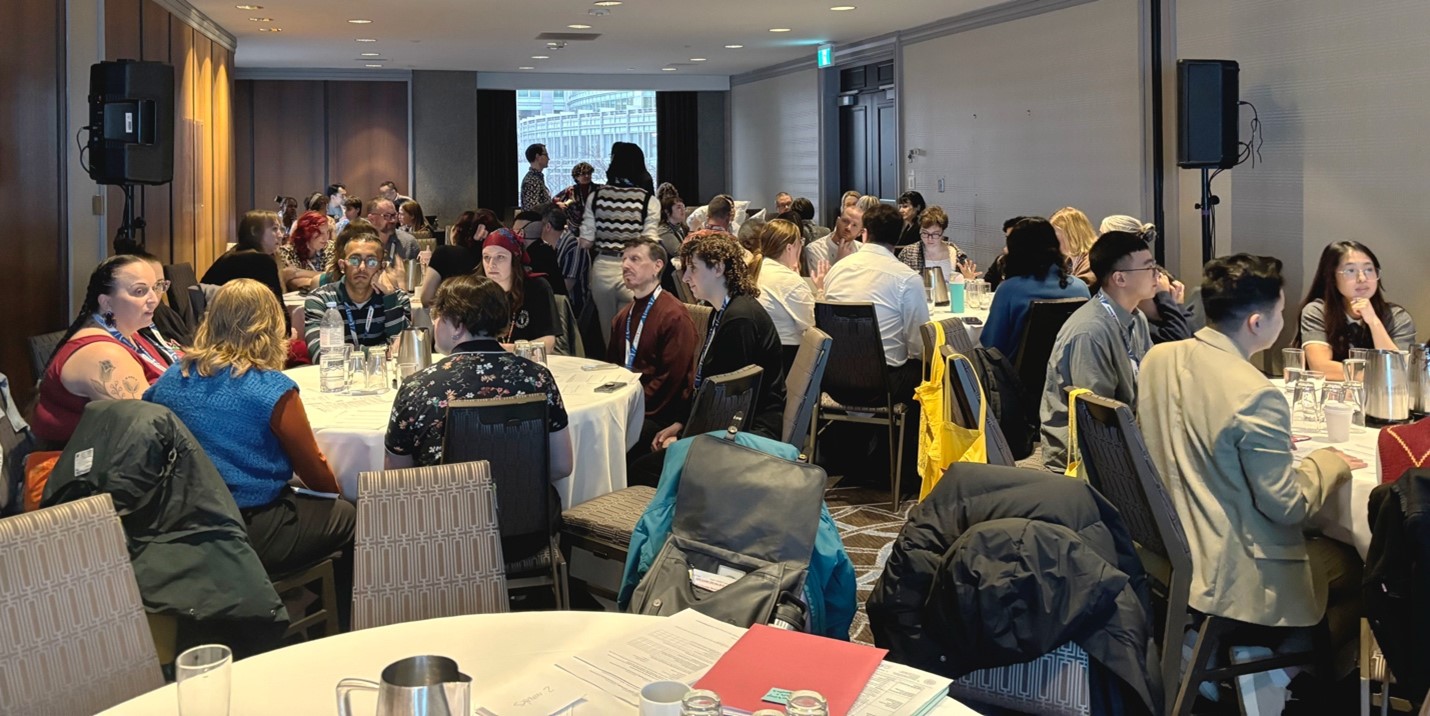
This interactive workshop supported CIHR IGH's mandate to strengthen the rigour, inclusivity, and community relevance of sex and gender science across health research. The session brought together researchers, trainees, community members, policymakers, health professionals, and other knowledge users to explore practical approaches to applying SGBA+ in ways that reflect lived-experiences of 2S/LGBTQI+ people and communities.
The purpose of the workshop was to:
- Address common methodological pitfalls in sex and gender science.
- Share practical tools and examples for inclusive measurement and analysis.
- Support researchers and community partners in navigating ethical and analytic challenges.
- Foster shared learning and dialogue across disciplinary and community contexts.
Who was in the room?
57 people participated in the workshop. From evaluation data submitted by 27 of 57 attendees (47.3%) attendees included a mix of researchers, trainees, community members, health professionals, and policy makers.
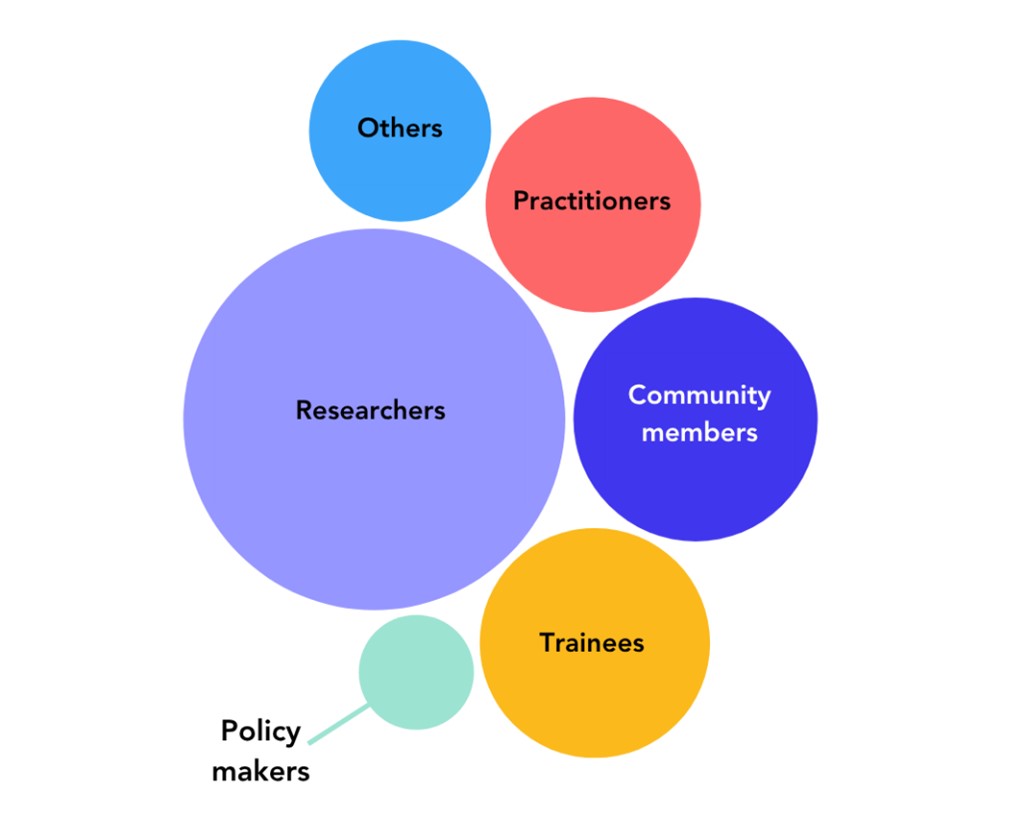
| Role CategoryFootnote * | Count |
|---|---|
| Researchers | 22 |
| Community members | 9 |
| Trainees | 8 |
| Health professionals | 7 |
| Policy makers | 2 |
| Other roles (see breakdown) | 5 |
Other roles include: NGO health executive, fund developer or grant writer, teacher, community mental health program provider
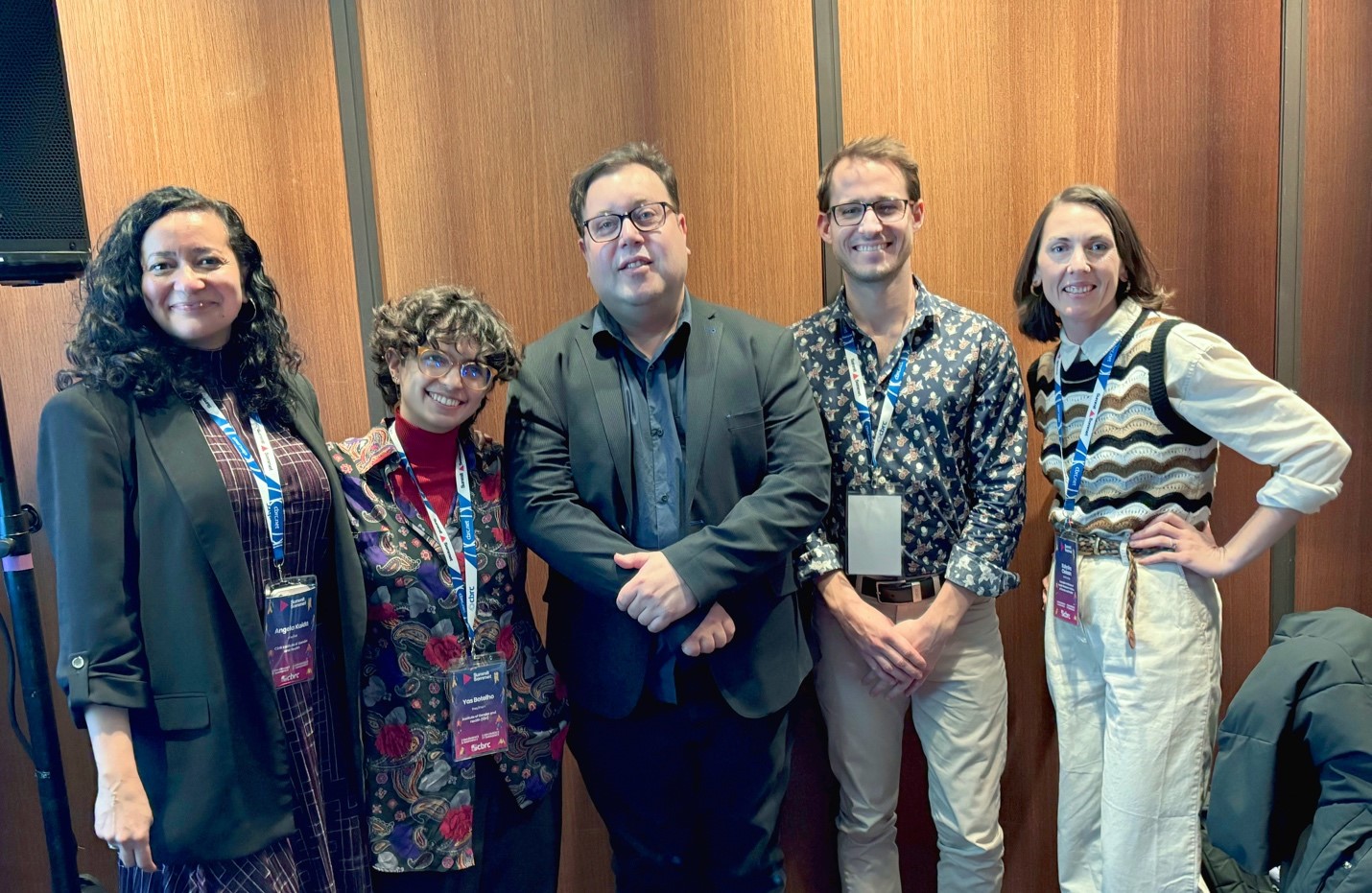
Photo: (Left to Right) Dr. Angela Kaida, Yas Botelho, Dr. Robert-Paul Juster, Ryan Hogan, and Dr. Kalysha Closson
Event summary
The workshop began with a brief overview of CIHR IGH's mandate and current priorities from CIHR IGH Scientific Director Dr. Angela Kaida, followed by presentations on key methodological issues in sex and gender science.
- Dr. Kalysha Closson, CIHR IGH Strategic Initiatives Lead, highlighted practical approaches to designing clear and intentional sex and gender measures. This session was based on Dr. A. J. Lowick's Meet the Methods resource on Measuring Research Participants' Sexes and Genders, which was developed through the Canadian Gender and Sex in Methods and Measurement Research Equity Toolkit. This work provided participants with tools for clarifying measurement intent and reducing common sources of error in sex and gender data collection.
- CIHR IGH Institute Advisory Board (IAB) member, Dr. Robert-Paul Juster and Ryan Hogan shared insights from the Stress and Resilience Study (STARS), which measures sex, gender identity, and sexual orientation in multiple ways to examine their associations with allostatic load. This example demonstrated how multidimensional measurement can deepen understanding of the structural and physiological pathways shaping health among sexual and gender diverse people.
- Yas Botelho, CIHR IGH Research Assistant, discussed youth-informed measurement approaches through examples from the RE-IMAGYN BC Study (Relationship Equity and Intersectional Measurement Among Gender Inclusive Young People in British Columbia), which is advancing evidence on inclusive survey design through 'mark all that apply' and 'forced choice' response options. This work illustrates how dual measurement strategies can support both representation and analytic clarity.
After the presentations, participants moved into small group discussions and a share-back session to explore how these methodological concepts could be applied in research, policy, and community settings. These discussions reinforced the importance of transparent measurement choices, ethical decision making, and the need for flexible approaches to capturing the complexity of gendered experiences.
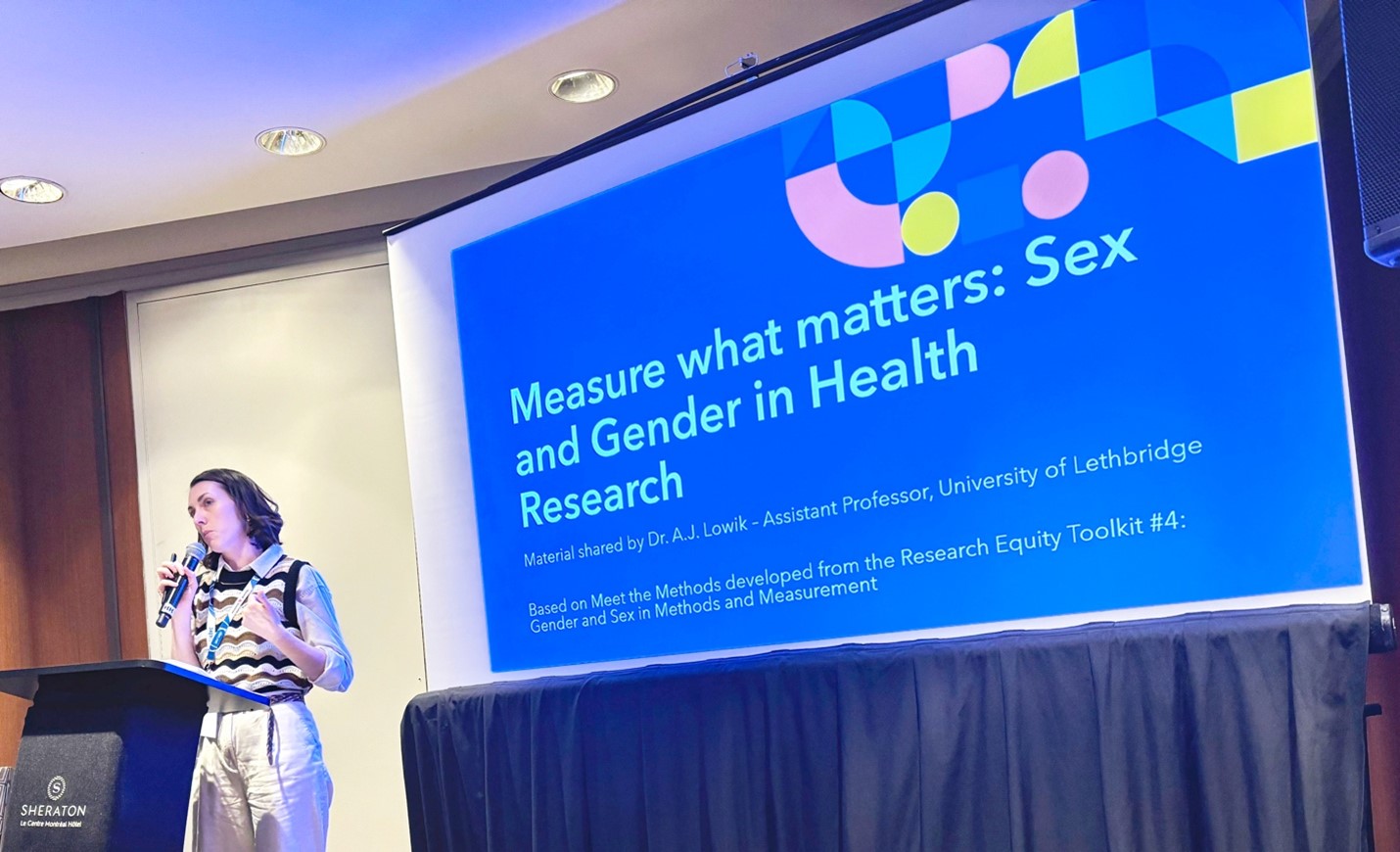
Photo: Dr. Kalysha Closson presenting "Measure what matters"
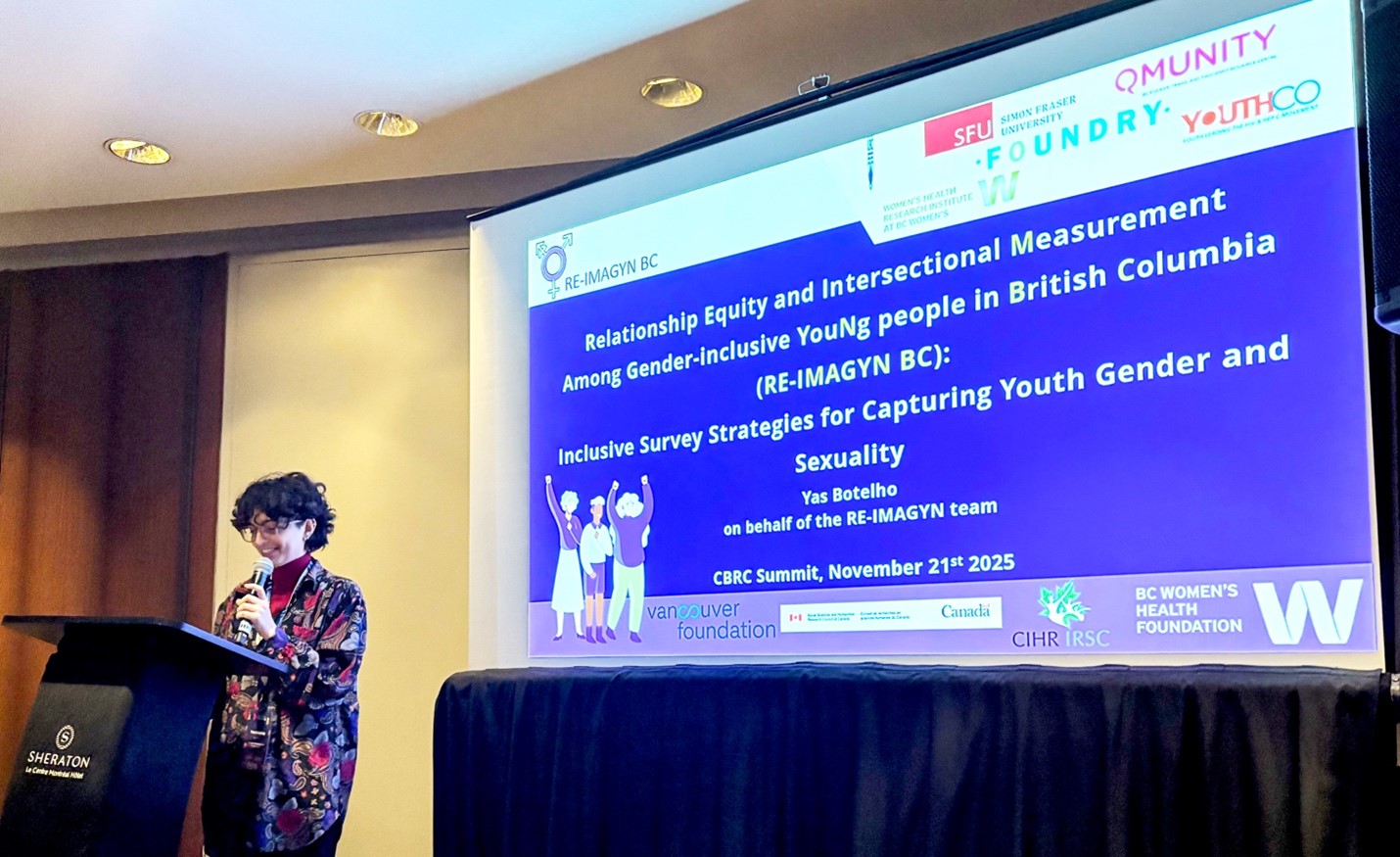
Photo: Yas Botelho presenting on youth informed sexuality and gender measurement
Key Learnings from the Presentations
- Inclusive Measurement Matters: Avoid binary or vague questions like What is your sex?; instead, clarify intent, and use precise, transparent measures.
- Multiple Facets of Identity: Be clear on which measure is most relevant to your research question. Gender identity, modality, and expression are distinct—none are interchangeable.
- Ethical Considerations: Balance inclusivity with analytic feasibility; be transparent about collapsing sex and gender response categories and protecting privacy.
- Youth-Informed Approaches: Strategies like mark-all-that-apply and forced-choice formats have trade-offs; a dual approach can balance representation and analytical feasibility.
Key Insights from Participants
Participants shared opportunities and challenges to applying the workshop learnings in their own research projects, including
Opportunities:
- Integrating inclusive measures in youth-focused research and advisory committees.
- Improving validity and visibility for small or underrepresented groups through context-specific examples.
- Applying practical survey design strategies (e.g. use of mark-all that-apply and forced choice) to navigate multiple identity reporting.
Challenges:
- Recruiting trans participants.
- Meaningfully collaborating with non-profits facing competing demands on time and budgets.
- Language barriers and unfamiliarity with gender terminology among diverse populations (e.g., newcomers, asylum seekers).
- Balancing choice fatigue with inclusivity in survey design, especially for participants with chronic health conditions.
- Difficulty capturing nuanced gender experiences with quantitative methods.
Action Areas
The following action areas reflect priorities and opportunities identified by participants during the workshop. They are shared to inform CIHR IGH's ongoing learning, engagement, and strategic planning, and to provide researchers, community organizations, practitioners, and other knowledge users with insight into areas where participants see a need for further methodological support and capacity building. CIHR IGH will continue to work with community partners and experts in sex and gender science to address these areas in future capacity building and knowledge mobilization efforts.
- Strengthening analytic guidance: Support clearer approaches to balancing statistical power, privacy, and lived experience when working with small or diverse groups, including guidance on when and how to collapse categories.
- Advancing harm reduction in research design: Develop practical tools and case studies that help researchers balance methodological rigour with the need to reduce harm and burden for 2S/LGBTQI+ participants.
- Supporting meaningful use of secondary data: Provide guidance for applying SGBA+ in studies where sex and gender variables were not originally designed with appropriate measures, including work with legacy or secondary datasets.
- Building capacity for inclusive and intentional measurement: Expand training and resources that strengthen intentional and clear measurement of sex, gender, and sexuality across research contexts, including multilingual or cross-cultural environments.
Conclusion
This workshop reinforced the importance of inclusive, rigorous, and community-informed approaches to sex and gender science. Participants emphasized that advancing SGBA+ requires methodological clarity, ethical transparency, and sustained engagement with 2S/LGBTQI+ communities. These discussions highlight opportunities to strengthen measurement practices, develop shared tools, and support researchers in addressing persistent methodological challenges. Continued collaboration across research, policy, and community sectors will help ensure evidence reflects the diversity and complexity of 2S/LGBTQI+ lives and contributes to more equitable health research and outcomes.
- Date modified: