Celebrating Excellence in Peer Review: Honouring Two Outstanding Contributors
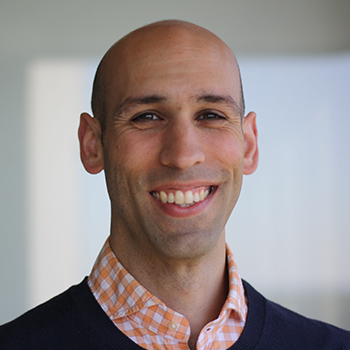
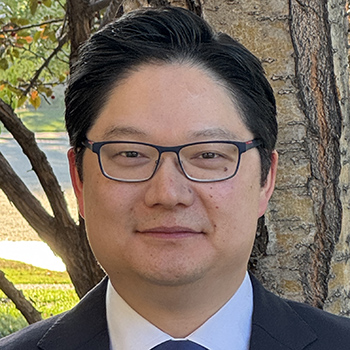
Every year, thousands of researchers volunteer their time and expertise to peer review for CIHR, ensuring limited research funds support the strongest, most innovative health research projects in Canada. Last spring alone, approximately 1,500 researchers served on 64 CIHR Project competition committees, among whom were Dr. Mark Ormiston, an associate professor studying cardiovascular immunology and endothelial biology at Queen’s University and Dr. Justin Chun, a nephrologist and associate professor at the University of Calgary.
“One thing in Canada is that we don’t have a huge pool of experts in every field,” says Dr. Chun. “That’s one reason I do this—because I’m considered an expert in some areas of kidney research, and everyone needs to bring their expertise to help maintain the integrity and quality of the research.”
Peer review helps keep research funding fair, unbiased, and focused on the best science. CIHR salutes Dr. Chun, who has served on six Project Grant competitions in the past three years, and Dr. Ormiston, who has participated in nine rounds of reviews in the past five years. Both have received multiple accolades from their peers as outstanding reviewers who go above and beyond – submitting high quality assessments, participating in discussions of applications beyond their assignments, and taking on additional responsibilities.

“It’s important because somebody needs to do it and people need to do it well,” says Dr. Ormiston, the father of two who coaches hockey in his spare time. “But it’s also great for learning. I’ve learned a lot about how to write a proper grant, what kinds of grants are funded, and what the best science in Canada looks like. Some of these successful grants showcase really cool techniques or come from very impressive labs.”
Each peer review session is intensive and can span multiple days, as reviewers assess the merits of each grant. They examine the strengths and weaknesses of every proposal, score each section, build consensus, and provide feedback. “The idea is to give feedback that can help the person improve,” says Dr. Ormiston. “Sometimes there’s a good idea that’s premature or not quite framed the right way. What you usually see are ideas at different stages of readiness. Peer review is an iterative process—it’s about refinement. The goal is to help sharpen ideas so that they can be funded, and the work can move forward.”
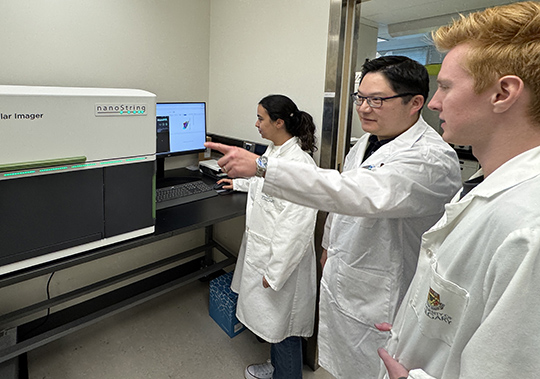
Dr. Chun, who is also an advisor for the Alberta Innovates High School Youth Researcher Summer Program (HYRS), shares advice with early career researchers who question why they should volunteer as peer reviewers, especially when their own proposals haven’t been funded. He encourages them to see it as an opportunity to grow: “You want to know what you're up against and how the system works. Reviewing helps you see how strong grants are written, what works and what doesn’t. It gives you a benchmark for how to approach and improve your first grant.”
As for more senior researchers, Dr. Chun believes it is their responsibility to take part in peer review, especially if they have received a grant in the past. “Don’t tap out now because we need you!” he says. “We need your leadership, guidance, and mentoring to help shape the next generation of scientists. We know you’re busy, but your time goes a long way in paying it forward and helping the country move ahead as a whole. If we isolate ourselves in silos—West versus East, institute versus institute—we stay in survival mode instead of flourishing together.”
CIHR is grateful to Dr. Chun and Dr. Ormiston, as well as the thousands of other researchers across Canada who volunteer their time and expertise to peer review. Their exceptional contributions exemplify the spirit of scientific collaboration and integrity that peer review depends on and that drives strong science.
- Date modified: