Two minutes with a Scientific Director: Dr. Charu Kaushic
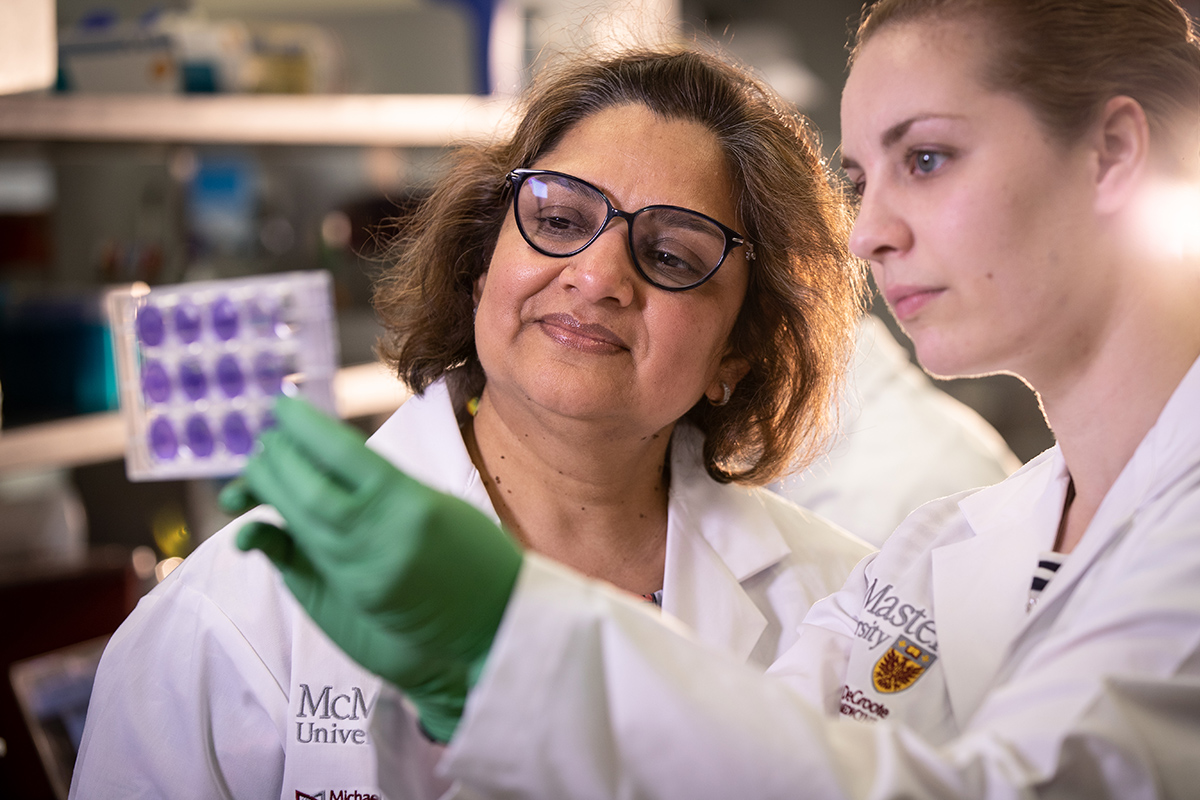
Today, we spoke with Dr. Charu Kaushic, Scientific Director of the CIHR Institute of Infection and Immunity (III), to hear what’s new and exciting in this field of research.
CIHR: What is the most impactful research coming out of your field?
Dr. Kaushic: One of my favourite areas where some of the most transformational research is happening right now is on the microbiome. The microbiome is all the bacteria that live in our bodies, mostly in the gut, but also in the lungs and reproductive tract. We are hosts to these microorganisms, and they affect many aspects of our health, from digestion to inflammation.
Research is finding that what we eat, how much we exercise, which medications we take, and how much sleep we get all affect our microbiome. If we live a healthy lifestyle, that leads to our metabolism being healthy and encourages beneficial bacteria to grow. Conversely, poor diet and lifestyle can lead to a less optimal microbiome, putting us at risk of inflammatory conditions such as heart disease, arthritis, and even dementia.
There is also important research showing that when women don’t have an optimal microbiome in their vaginal tract, it puts them at higher risk for sexually transmitted infections (such as HPV and HIV) and adverse outcomes of pregnancy.
CIHR: Wow, so how do we know if we have a healthy microbiome?
Dr. Kaushic: This is still emerging science, but hopefully sometime in the not-so-distant future you will be able to go to your family doctor and get a microbiome analysis done, like we get blood tests done now. For the gut microbiome, we would analyze the fecal matter. For the vaginal microbiome, we would do a vaginal swab, and for the respiratory tract, a sputum sample. With the help of AI, we could have precision medicine and be able to tell each person what their optimal microbiome should look like.
Taking things one step further, research will help us understand which beneficial metabolites the microbes are secreting, and we could treat patients directly with these metabolites. For example, we know that butyrate is one of the fatty acids that bacteria make that improves gut health. So, we could treat patients directly with butyrate.
But already now there are things we can do to improve the health of our microbiome, such as eating a plant-rich diet and less processed food. For babies born by C-section, many midwives are already taking the mother’s vaginal secretions and putting them on the baby to help seed the microbiome with beneficial bacteria. We know that this is helpful in protecting the babies from allergies, asthma, and other inflammatory conditions later in life. Similarly, breastfeeding helps transfer healthy bacteria from mothers to babies, lowering the risk of asthma.
It's clear that microbiome research is changing lives, and that’s exactly why CIHR is investing in it. Western medicine is often focused on treating disease, but microbiome research reminds us that small, everyday choices can have a big impact on disease prevention and long-term health.
For more information, please visit the CIHR Institute of Infection and Immunity
- Date modified: