Implementation Science Chairs
Congratulations to the newly appointed Implementation Science Chairs in Human Development, Child and Youth Health!
The Implementation Science Chairs in Human Development, Child and Youth Health funding opportunity is a $5M investment to advance implementation science capacity in Canada and enhance career support among mid-career researchers, early-career researchers, and trainees. The Chairs funded through this initiative will use implementation science to overcome barriers and enhance the uptake and sustainability of evidence-based health solutions in practice and policy. Through strong partnerships, their research programs will create meaningful improvements in the health and health equity of children, youth, and their families.
The objectives were to:
- Build capacity in the current and next generation of Implementation Science researchers.
- Advance the field of Implementation Science in human development, child and youth health.
- Strengthen research excellence and ensure maximum research impact through research coproduction.
Learn more about how the Chairs plan to address these objectives below.

At a glance
- Within the Canadian health care system, approximately 44% of clinical practices are underusedFootnote 1
- On average, it takes approximately 17 years for research to reach clinical practiceFootnote 2
- CIHR-IHDCYH is investing $5 million in five Implementation Science Chairs to develop capacity within the field of human development, child, and youth health
Dr. Angela S. Alberga, Concordia University
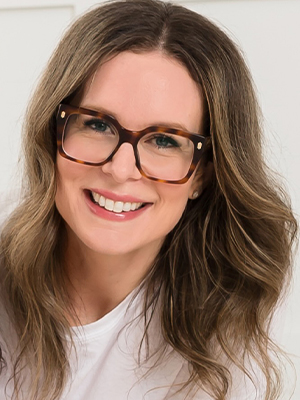
Implementation Science Chair in Human Development, Child and Youth Health
Your Voice Matters: Addressing Health Inequity in Pediatric Obesity Care
Weight-based teasing, bullying and stigmatization are important equity and child-rights issues that negatively affect the health and wellbeing of children and adolescents. Children and their families affected by obesity are often not treated equally nor equitably in many settings, contributing to a diverse range of social and health disparities.
By undoing unintended harm of pediatric obesity management interventions and instead implementing family-centred evidence-based clinical practice guidelines, we work together to improve access to care, quality of care and health outcomes that matter to children and their families who are affected by obesity.
Students training to become health professionals, as well as practicing clinicians, receive limited guidance on addressing structural barriers to guideline implementation (e.g., implicit biases, current clinical practices, built environments, healthcare system policies) that can contribute to these inequities. Our team includes youth, caregivers, students, health professionals and representatives from many research networks and organizations with diverse backgrounds to support training and build capacity to address these barriers. This helps foster a shared understanding and mutual respect for the field of implementation science by building relationships and trust between multiple partners in different sectors, and values diverse approaches to research co-production.
We hope that our work will contribute to the advancement of new research methods to de-implement ineffective or harmful interventions and optimize the uptake of evidence-based clinical practice guidelines. We hope that our work will increase consideration of youth and family engagement, implementation science methods to co-produce more meaningful pediatric obesity research that will result in real-world evidence-based impacts increasing access to care, quality of care and health outcomes that matter to families. We strive to support more students, researchers, clinicians, healthcare administrators and policy makers in meaningfully engaging youth and families affected by obesity, with particular attention to elevating the perspectives of youth whose voices are too often absent from these conversations.
Dr. Derek Chu, McMaster University
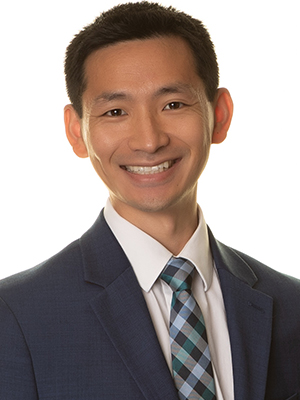
Implementation Science Chair in Human Development, Child and Youth Health
Implementing best practices in allergy to improve child and youth health and development
I am a physician-scientist focused on improving allergy care for optimal human development, child and youth health in support of health equity. I lead the Evidence in Allergy group at McMaster University Medical Centre and conduct randomized and observational studies, evidence synthesis, and knowledge mobilization to generate and bring the best evidence in allergy into practice and policy. We bring together diverse communities of researchers, patients, clinicians and knowledge users and catalyze innovative and interdisciplinary knowledge syntheses and mobilization to improve allergy care, equity, and clinical and research capacity in Canada – and have fun along the way!
We will develop robust and co-built knowledge synthesis and translation tools to address the allergy challenge and fuel moving knowledge into action, improve equity, and build research capacity. In parallel, we will build an academic-community network, the Allergy Learning and Implementation Network (ALIN), to advance implementation science, equity, and learning health systems and improve child and youth allergy practice and policy. Throughout, we will engage undergraduate, graduate, postgraduate (clinical and research) trainees and clinicians and faculty to learn principles of implementation science from knowledge creation to implementation, and conduct multicentre research, patient and knowledge user engagement, and collaborative project and team management.
This Chair addressing allergy care directly answers an important knowledge gap identified by patients and clinicians in Canada. We will use multifaceted knowledge synthesis, knowledge tool generation, and implementation approaches and equity, diversity, and inclusiveness, and Indigenous-Rights cross-cutting foci to move the best evidence in allergy into practice for optimal human development, child and youth health and health equity.
Dr. Sarah Munce, Holland Bloorview Kids Rehabilitation Hospital

Implementation Science Chair in Human Development, Child and Youth Health
I lead a research program on co-developing, implementing, and evaluating transitional care interventions - such as peer support and navigation - for youth with complex conditions and their families. Meaningful engagement of youth and families is central to this work. Accordingly, a core pillar of my research program is exploring how youth and family engagement and co-design enhance the relevance, effectiveness, and real-world feasibility of interventions.
As an Implementation Science Chair, I will expand and formalize mentorship, training, and career development pathways to build capacity among current and future researchers. I have a strong record of developing emerging implementation scientists, reflected in my 2023-2024 KBHN Outstanding Mentor/Supervisor Award for fostering inclusive, learner-centred environments and supporting evidence translation. A key strength of my approach is mentoring not only academic trainees but also youth partners, including those exploring careers in implementation science, thereby strengthening capacity across generations and roles.
I will advance the field of Implementation Science in human development, child and youth health by strengthening how we meaningfully engage youth and families in research, particularly within learning health systems. Although patient partnerships are recognized as the backbone of implementation science, there is little guidance on how to do this effectively with youth and families. My work will identify the components of engagement that matter most to youth and families and develop robust ways to measure engagement so we can assess gaps, track progress, and rapidly adjust in real time.
This Chair position will help me ensure research impact by supporting the co-development and implementation of the first validated youth- and family-specific engagement measure - the UNITE measure - within a learning health system. By filling a critical gap in the field - where patient engagement is seldom measured or reported -the UNITE measure will offer learning health systems a practical tool to track, evaluate, and strengthen their partnerships with youth and families. Embedding this tool in real-world health system contexts will allow for continuous feedback and rapid-cycle improvement, ensuring that engagement is meaningful and sustained. In turn, this will lead to research that is more relevant, readily implemented, and likely to improve healthcare delivery and advance clinical and health equity outcomes for youth and their families.
Dr. Rosalin Miles, University of British Columbia
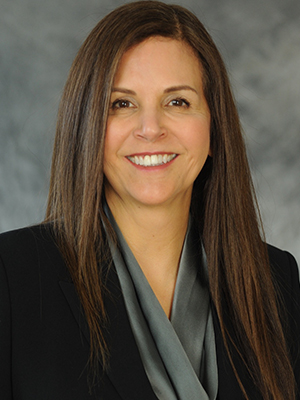
Indigenous Health Implementation Science Chair in Human Development, Child and Youth Health
ShQUooz Circle: Nurturing the Next Generation through Physical Activity and Cultural Knowledge
Through the ShQUooz Circle Program, I work with Elders, Knowledge Keepers, and Indigenous youth to co-create pathways for wholistic health, belonging, confidence, and intergenerational well-being, grounded in Indigenous ways of knowing, being and doing.
The community-based research focuses on empowering Indigenous children, youth and families through culturally grounded land- and water-based physical activity programs rooted in Indigenous Knowledge systems, ceremony, culture and community leadership.
I will mentor Indigenous students and trainees to engage in culturally respectful research grounded in community-defined priorities using Indigenous data sovereignty principles and relational accountability. Through hands-on community learning, knowledge-sharing opportunities, and land-based research training, I will support emerging Indigenous scholars in building the skills, relationships, and cultural sensitivity required to translate evidence into practice and policy that strengthens Indigenous child and youth wellness.
The ShQUooz Circle Program integrates Indigenous evaluation frameworks, community governance, and long-term mentorship models, contributing new knowledge on culturally grounded implementation pathways that honour community strengths and advance health equity. I will advance Implementation Science by centering Indigenous self-determination, ceremony, and land-based approaches in research design, knowledge translation, and program implementation.
This Chair will support long-term relationships with Indigenous communities, ensuring programs are co-designed, resourced, implemented, evaluated and sustained in a good way for the people by the people. By supporting Elders, parents, and youth leaders while embedding community-driven knowledge translation strategies, this position strengthens the ability to move evidence into practice and policy that reflects Indigenous values and leads to measurable, generational health benefits for children and youth.
Dr. Leslie Roos, University of Manitoba
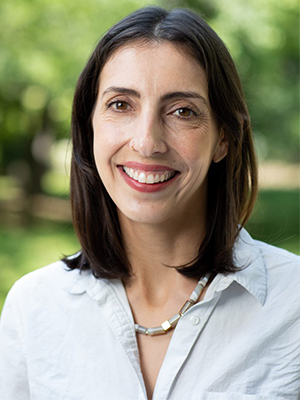
Implementation Science Chair in Human Development, Child and Youth Health
My research program is focused on improving child and family mental health by advancing the implementation science of scalable evidence-based interventions. Equity is a guiding value to ensure alignment with community priorities, allowing programs to adapt and be sustained across diverse real-world contexts. I co-lead the PRIME (Partnering for Research Innovation in MEntal Health) research theme at the Children's Hospital Research Institute of Manitoba, which brings together clinicians, policymakers, community partners, and families to co-design and evaluate scalable interventions and community-led initiatives.
A focus of my work is BEAM (Building Emotional Awareness & Mental Health), an app-based program designed to improve caregiver mental health and positive parenting. BEAM was recently endorsed by the Mental Health Commission of Canada for following best practices in digital health. Through partnerships with health systems and community agencies, we are testing the program's feasibility, acceptability, and effectiveness when delivered in routine care, and evaluating culturally grounded adaptations with Indigenous, newcomer, and Francophone communities.
As a CIHR Implementation Science Chair, I am committed to supporting the next generation of researchers and practitioners who can bridge the gap between evidence and action. My approach to capacity-building is hands-on and collaborative. I work to embed trainees and early-career researchers within community and health system partnerships to learn implementation science in context. Through structured training (e.g., mentorship, lab internships, and health research training platforms), my team provides learning opportunities that combine research design, community engagement, and knowledge translation. I am also dedicated to advancing the work and priorities of trainees from equity-deserving groups, who are leading work within their communities. I support efforts in my own faculty to Indigenize and decolonize our training program to increase its relevance and safety for Indigenous students. Trainees work directly with service providers, people with lived experience, and health system leaders to co-produce practical and effective solutions.
I work to advance the field as both a discipline and a practice within child and youth health through innovative applied methodologies that adapt best practices to new contexts. My research examines implementation mechanisms (identifying what enables programs to succeed across settings), equity-centered adaptations (understanding how interventions can be culturally and contextually responsive), measurement and evaluation systems (developing pragmatic, data-linked tools to monitor reach, fidelity, and impact at scale).
This Chair strengthens my ability to move beyond short-term trials to system-level change. Working alongside government partners, we are co-developing digital and hybrid service models that connect families to care earlier, reduce service fragmentation, and inform policy decisions. The Chair's structure of linking research, implementation, and partnerships will help ensure that our work generates actionable evidence that can shape mental health service delivery and policy across Canada. Ultimately, my goal is to ensure that the science of what works to promote mental health reaches every family who needs it, transforming evidence into equitable and sustainable systems of care.
- Date modified: