Two minutes with a Scientific Director: Dr. Chelsea Gabel
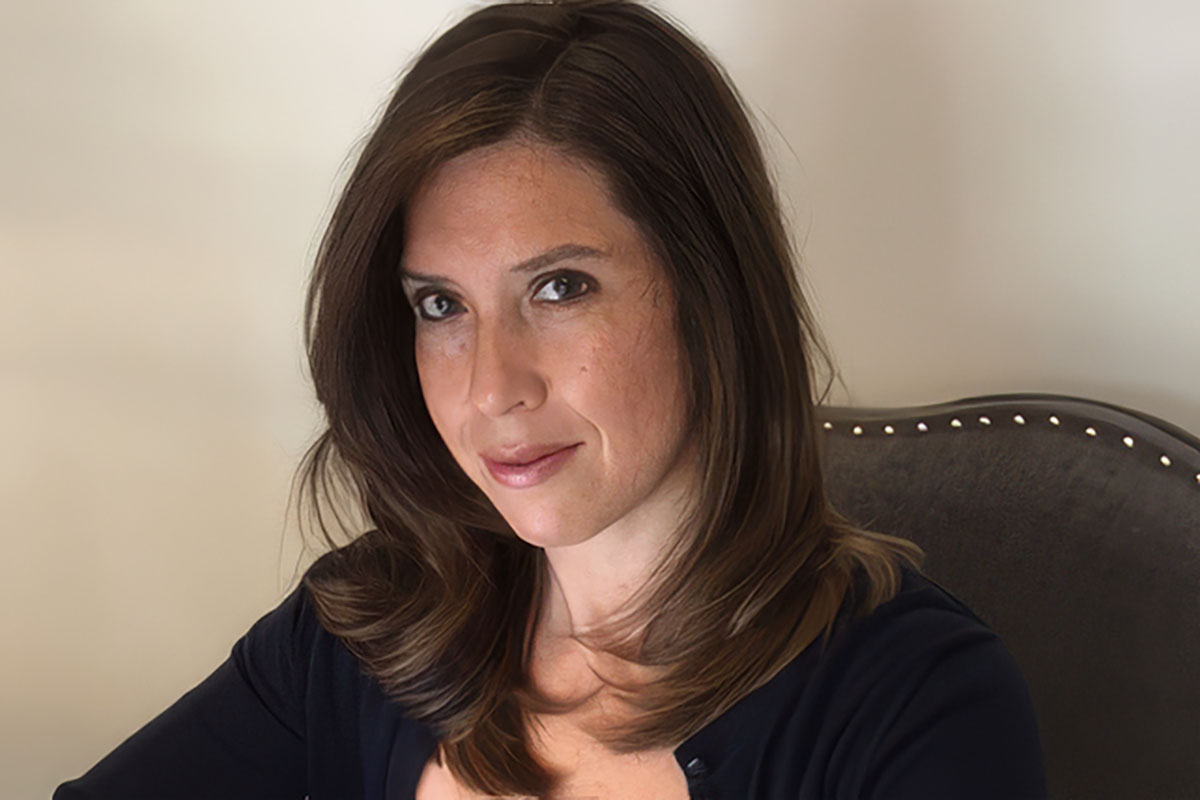
Today, we spoke with Dr. Chelsea Gabel, Scientific Director of the CIHR Institute of Indigenous Peoples’ Health (IIPH), to find out what’s top of mind in Indigenous health research.
CIHR: National Indigenous Peoples Day (June 21st) is a time to celebrate the traditions, cultures, and contributions of First Nations, Inuit, and Métis communities. This year, is there an Indigenous research project that stands out as something we should celebrate?
Dr. Gabel: One that really stands out is the wildfire research being led through the Network Environments for Indigenous Health Research (NEIHR), which is a flagship program of IIPH.
Last June, the Centre for Research on Pandemic Preparedness and Health Emergencies at CIHR recommended that a directed grant go to the NEIHR National Coordinating Centre to undertake real-time research on the health impact of the wildfire evacuations affecting First Nations and Métis communities in Saskatchewan and Manitoba. Within a couple of months, $1.5 million was mobilized, which is very rapid, as far as research goes.
CIHR: What kind of work is taking place as a result of the grant?
Dr. Gabel: it’s not just one project—it’s a coordinated national effort with multiple community-based studies feeding into a larger understanding. Each NEIHR network was able to apply for seed funding to carry out smaller, rapid-response projects related to wildfires.
One example is a team that traveled through northern Saskatchewan, speaking directly with people who had been evacuated to document their experiences. Their findings were shared at a gathering I attended recently in Prince Albert, Saskatchewan, where more than 140 people impacted by last year’s wildfires came together. Some early findings from the research were shared, but the most powerful part was hearing directly from evacuees.
Many described feeling abandoned and dehumanized during the evacuation process. People spoke about overcrowded conditions, living in cars, and the trauma of trying to protect children and Elders. In Denare Beach alone, over 200 homes were destroyed, and many families are still living in motel rooms a year later.
CIHR: That’s awful to hear.
Dr. Gabel: The stories were heartbreaking, but they’re critical. They remind us that the impacts of climate emergencies aren’t just physical—they’re emotional, cultural, and deeply tied to histories of displacement and inequity.
CIHR: How is this research making an impact?
Dr. Gabel: The wildfire research is already helping shape how we think about emergency preparedness and what kinds of health supports people need during crises.
It’s also informing what culturally safe responses should look like in Indigenous communities and shaping a broader national research agenda on wildfires and health.
Importantly, this work matters because communities are preparing for another wildfire season right now. Indigenous-led research ensures that their experiences and priorities are central in any decisions that affect their lives.
For more information, please visit the CIHR Institute of Indigenous Peoples’ Health
- Date modified: