“Science does not work without the scientists”
Why researchers volunteer to peer review
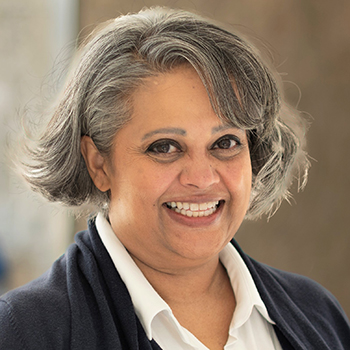
Every funding decision at CIHR is driven by a community of peer reviewers – scientists who volunteer their time, expertise and judgment to help shape the future of health research.
Maria Mathews, a professor in Family Medicine at Western University’s Schulich School of Medicine and Dentistry and Canada Research Chair in Primary Health Care, has been a member of the peer review community since 2003. The busy researcher, mother of one, and avid cook and sewing enthusiast estimates she has participated in more than 60 CIHR panels since then.
“Peer reviewing has really helped me understand how you do research and how you compete at the national level” she says. “It has been the most effective professional development that I could have had. I was learning about grant writing with some of the leading experts across the country, so I’m learning from the best of the best.”
Dr. Mathews points out that the benefits of peer review go beyond individual learning. Her experience highlights a broader impact: building research capacity across the system by creating opportunities for early career researchers to learn directly from experienced peers.
“Bringing people together on a peer review panel is incredibly powerful” she says. “It’s even more intense and effective than conferences or seminars. It’s like a concentrated espresso shot of professional development”.
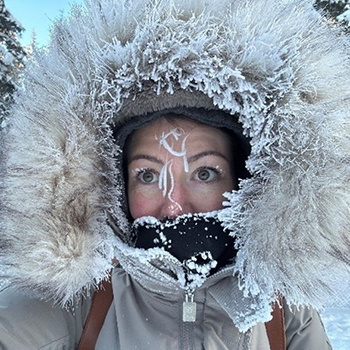
For Dr. Michelle Leach, who participated in multiple reviews last year, the grant review process is about building community beyond the lab. In her role as the Scientific Director of the Yukon SPOR SUPPORT Unit, she champions patient-oriented health research that responds to the unique challenges of Yukon. “For me, peer review isn’t just about reviewing the science…it’s about engaging the community,” she says. “ It’s learning a different way of doing things, understanding new perspectives, and expanding my own expertise. It’s about building connections with the community.” This shared learning, she adds, contributes to a better future for us, our children, and our grandchildren.
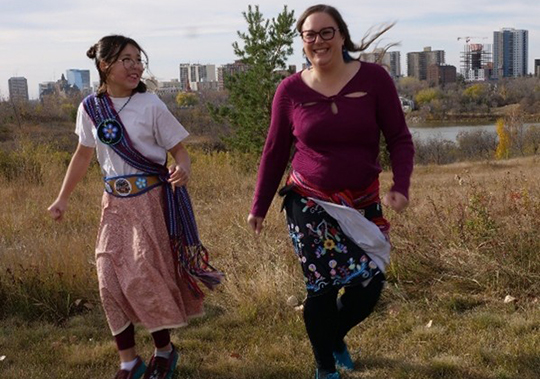
Beyond fostering general community connections, Dr. Heather Foulds believes peer review strengthens the research process itself. The Associate Professor of Kinesiology at the University of Saskatchewan and Canada Research Chair in Indigenous Health through physical activity, has been actively participating in peer review at CIHR since 2017. She says: “Good peer review brings additional considerations and perspectives, and for Indigenous research, brings forth considerations for Indigenous research ethics, policies, guidelines, and community responsibilities.”
These researchers insist that peer review is critical for maintaining public trust in science, especially at a time when misinformation spreads quickly online.
“Most people believe in a rigorous, investigative process,” says Dr. Mathews, “ but we’re increasingly seeing how some have lost faith in science, that they will take the advice of someone on TikTok rather than a qualified expert. Peer review ensures that science is rigorous, replicable, and held to high standards. It’s incredibly important now more than ever to demonstrate that this process, and this paradigm, is worth defending.”
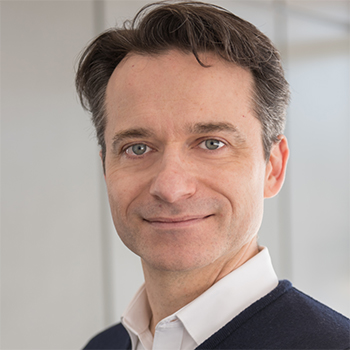
Dr. Louis Bherer, neuropsychologist, researcher and professor in the Department of Medicine at the Université de Montréal, has been reviewing since 2007. He echoes this sentiment: “I peer review because I truly believe it is the cornerstone of science and knowledge advancement. Peer review evaluation is key to preserve quality control and trust in science.”
Together, these perspectives highlight that peer review is not just an academic exercise, it is the foundation of credibility, quality and public confidence in research.
Drs. Bherer, Foulds, Leach and Mathews, have collectively volunteered thousands of hours to read applications, listen to presentations, assess evidence and deliberate with their peers to inform funding decisions. They do it for their own professional growth, and to give back to the research system that supported their careers, ensuring its continued fairness and high standards. But equally important, they do it to strengthen health research through rigorous evidence – research that ultimately informs and improves healthcare. If they didn’t, the system that ensures the quality, credibility and impact of health research would be compromised. As Dr. Mathews reminds us, “science does not work without the scientists”.
- Date modified: